
Tracing Former Wisconsin Property Owners
Former owners of a Wisconsin property come to light one deed at a time. You work backward through the recorded chain. Each older deed hands you the next name. That name may hide behind a trust, a business, an estate, a married name, or a spelling variant. Expect detours. The parcel number itself can change over the decades too. The legal description holds up better as a link across old records. County indexes, tax rolls, libraries, and historical collections each cover different spans. It pays to search Wisconsin property records by county and keep several doors open. The online trail can end. An older book or archive may still supply the next transfer.
| Transfer Date | Grantor → Grantee | Deed Type | Book/Page or Document Number |
|---|---|---|---|
| Date printed on latest deed | Copy both names from instrument | Use the county index label | Record the displayed reference |
| Date on earlier deed | Prior grantee → earlier grantor | Read the filed instrument | Carry forward the book or number |
| Date in older volume | Match parties and land description | Transcribe the book entry | Keep volume, page, or reel detail |
Milwaukee County shows why more than one route helps. Its Register of Deeds records page describes historic books reaching further back than some name-search paths. Other Wisconsin counties set their own searchable spans. Ask before assuming a web result marks the start of the land's recorded history.
Trace Prior Wisconsin Owners by Deed
A backward search starts with the newest deed tied to the parcel. The grantee on that filing becomes your grantor search in the earlier index. Match the legal description at every step. An address works for the first lookup. Old deeds, though, may predate modern street names. They may show only a lot, block, section, town, or range.
- Locate the latest deed by a parcel key, legal description, or current party name, then save its date and document reference.
- Read the deed's grantor, grantee, land description, and any earlier instrument reference. Keep the exact name form.
- Search the new grantee as a grantor to find the earlier transfer. Compare the land description, not just the similar names.
- Repeat until the online span ends, then ask the Register of Deeds which older index, deed book, or archive serves that period.
Chains can branch or change names. A trust, LLC, estate, personal representative, or several co-owners may sit between individual owners. So can a spelling variant, married name, initials, or suffix. When the parties fit but the description does not, pause. Check whether the parcel was split, combined, or re-platted. Do that before treating the entries as one chain.
In a continuous chain, the grantor handing off the parcel is often the prior grantee. That grantor took the parcel in the preceding deed. Treat that repetition as a lead. Confirm the instrument date and land description before stepping further back.
Each preceding deed can add another name to the history of prior owners. The land description must still identify the same parcel or its predecessor tract.
- Grantor
- The party recorded as conveying an interest.
- Grantee
- The party recorded as receiving an interest.
- Chain of title
- The sequence of recorded land transfers for the described property.
- Legal description
- The written land description that links an old filing when an address or parcel number changed.
- Quitclaim and warranty
- Two deed forms found in county indexes; read the instrument to see its stated terms.
The latest parcel card is a clue, not the chain itself. For finding and copying a particular instrument, use the Wisconsin deed records instructions.
How Far Wisconsin Ownership Records Reach
Wisconsin has no statewide deed-book start and no single online cutoff. Every county Register of Deeds sets its own index and imaging span. Milwaukee's official page reports deeds from 1835 through March 31, 1948. Those deeds are searchable by document number or book-and-page only. That range is a Milwaukee example. It must not be applied to another county. Ask the local office which period is searchable by party name. Ask which older records need a volume, page, or document number.
Wisconsin became a state in 1848. County organization and local deed-book starts vary widely. The Wisconsin Historical Society has digitized county histories, most published between 1850 and 1920. Its government-information holdings include deeds, indexes, tax rolls, court files, probate, and wills. The Historical Society's government-record overview helps identify collection types. The local catalog or Area Research Center establishes a particular county's years and access rules. No verified courthouse-fire story explains any statewide break in records. Check gaps locally rather than assuming them.
An online chain may need an archive or older volume. For those, see the Wisconsin Historical Society list of government-record collections.
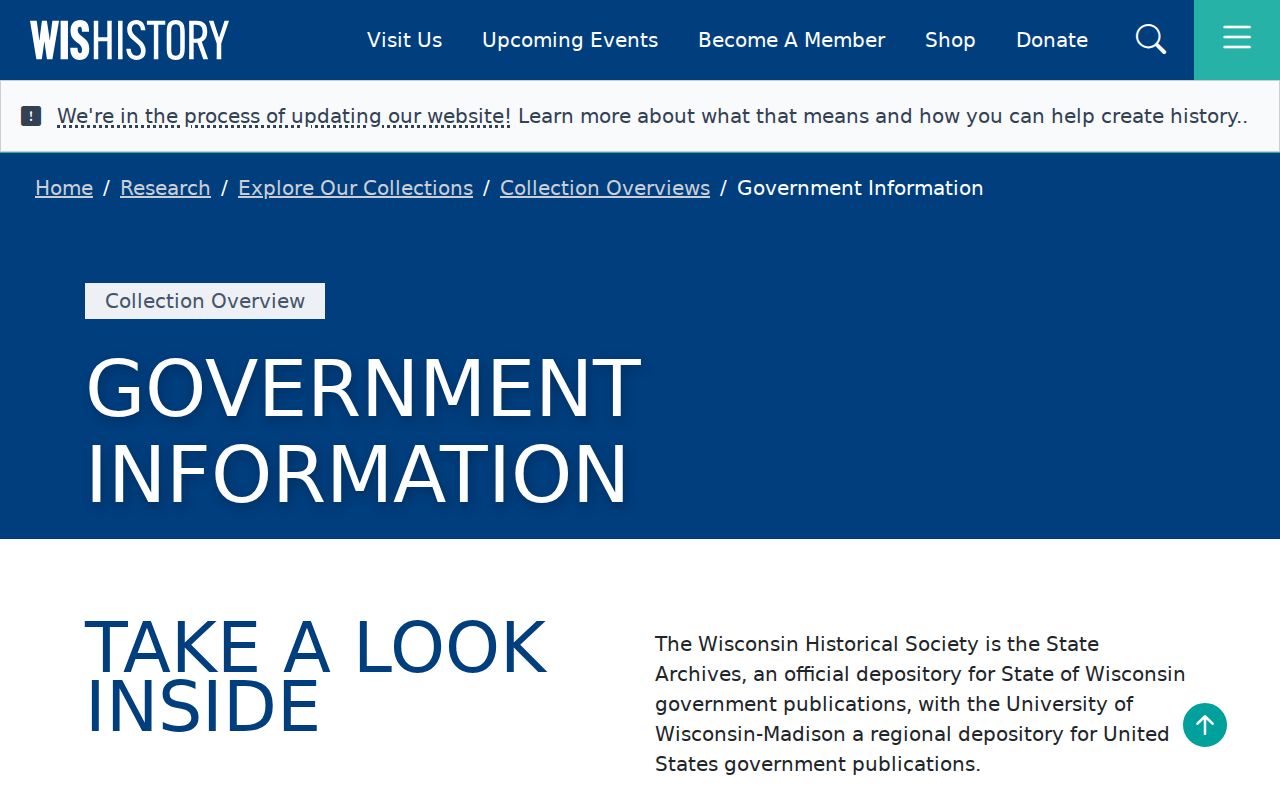
The Society's statewide catalog can point to a repository. The deed you need may still sit at the county office or a local archive.
Milwaukee's 1930 Address Converter
An address mismatch can turn a solid ownership chain into an apparent dead end. In 1930, Milwaukee changed its street numbers and some street names. The city directory's address converter records that shift. Milwaukee Public Library's directory collection reaches back to 1847. Reverse address browsing is available there from 1921 onward. The converter links older numbering to the newer forms. These dates belong to a Milwaukee resource; other Wisconsin communities handled addresses differently.
Directories offer a year-by-year hint about who occupied a place. Yet they never prove deed ownership. Start with the reverse address section. Copy the printed spelling and any unit details exactly. Then check the alphabetical listing for household or business notes. Confirm a likely owner in the deed index or on the tax roll. Someone who lived at an address may not have held title. And a gap between directory years is never a sale date.
Milwaukee Public Library's local-history page describes its historic directory and address tools. These include the converter that connects old and newer address forms.
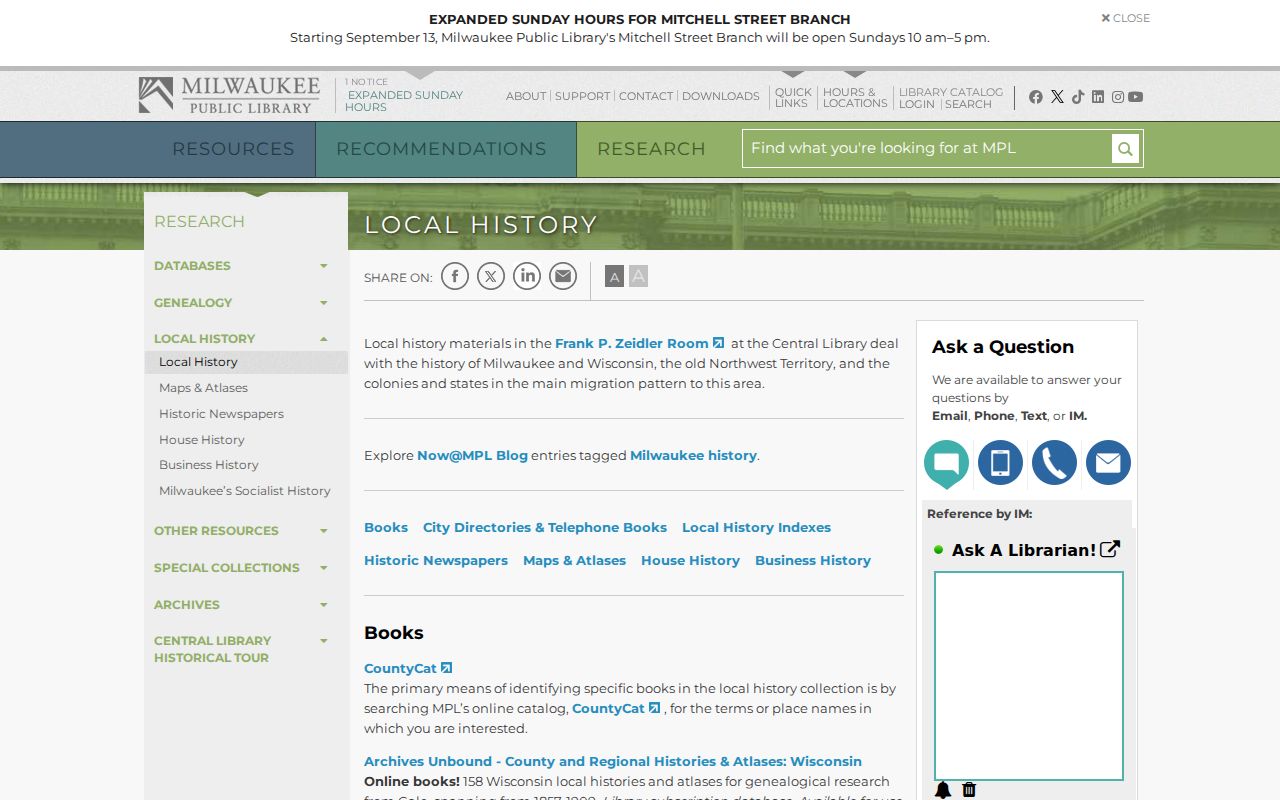
Use this Milwaukee example to crack the address clue. Then return to the county deed record for proof that ownership actually changed hands.
Tax Rolls Add a Wisconsin Ownership Timeline
Historic tax rolls can fill the quiet years between deed filings. An entry may name the owner or taxpayer for an assessment year. It may list the assessed value and give the parcel description used at that time. Milwaukee's local-history sources include city tax rolls spanning 1846 through 1984. That long run sits in local library or archival collections. Other counties and municipalities keep different spans in different places.
A dated entry can lead you to former owners when an older deed index is hard to search. This helps particularly if the tax-roll key predates the current parcel number. Still, these are assessment records. Confirm anything they suggest with a deed or another land record.
A string of tax years may point to prior owners. Those prior owners' deeds may cite older book-and-page references. A taxpayer entry alone does not put anyone in the recorded chain.
Treat each tax year as a dated clue rather than a deed substitute. A roll may keep a deceased owner or former parcel key until the next administrative update. The billed party may be an estate, company, or trust. Compare the tax entry against the deed's legal description and document date. If a name shows up only on the tax roll, hold it apart from the chain. Hold it there until another land record confirms the link.
Milwaukee Public Library's house-history resources describe local tax rolls alongside directories, premises files, and maps. Ask a local library or historical society which years and formats it holds. Do this before requesting a scan.
Probate and Wisconsin Prior Owners
A death in the chain changes how a name appears. The probate file may identify a personal representative. It may also list heirs, an inventory, a will, sale authorization, or a court order. A later deed record may show a personal representative's deed. It may also show a trustee's deed, transfer-on-death deed, affidavit, or new conveyance. A will or obituary can point toward an estate file. Neither one proves that record title moved.
Search the grantor-grantee index under the decedent, estate, trust, and representative names. Then compare the filing date and land description with the probate case. Wisconsin Circuit Court Access offers public case information. The clerk of circuit court remains the recordkeeper. File access varies, and sealed or confidential material is excluded. A public search result may not be enough. Ask the clerk for the case-file request path then.
Older probate and deed material may also sit with the Wisconsin Historical Society. Or it may sit with an Area Research Center. Give the repository the county, the estate name, the year, and the town. Include the parcel or legal description too. A death record can be restricted by eligibility rules. Use an obituary or index entry as a clue. Request a certified copy only through an eligible channel.
These files can explain why a prior owner appears between two recorded transfers. A trustee or personal representative works the same way. They identify the authority behind a conveyance. The recorded deed connects the transfer to the parcel.
Wisconsin Parcel Changes in Older Chains
A parcel number works like an administrative key. It is not a permanent name for the land. A split or combination can retire a tax key. A new plat may rewrite the lot and block description entirely. Older rural property records lean on section, town, and range. Subdivided land is described by lot and block. Metes-and-bounds text may name adjoining tracts rather than any street. When the number sequence breaks, follow the legal description in each instrument instead.
County GIS, the Real Property Lister, and the recorded plat or certified survey map can show how today's parcel relates to earlier land. Treat any map as a routing aid rather than a survey or proof of title. Check each predecessor parcel and description at the Register of Deeds. When a boundary or split stays unclear, ask the county land-information office for the plat or CSM reference.
Mailing city, ZIP code, municipality, county, school district, and tax district can all point to different jurisdictions. The mailing label is the weakest clue. Rely on the county of record and the land description. Decide which older deed index deserves the property search.
Wisconsin Former Owners Beyond the Web
When the online name index ends, the paper trail does not. Continue through the county's own counter or public terminal. You can also reach the office by phone or email with a written copy request. The Department of Revenue county officials hub can help you locate the right Register of Deeds. Ask for the older name index, deed book, microfilm, or book-and-page search. Confirm any appointment rule before you go. The county may no longer hold the volume. If so, the Wisconsin Historical Society, the relevant Area Research Center, a public library, or a county historical society may. Local collections often add plat books, newspapers, obituaries, cemetery records, and probate material. These place a transfer in context.
These routes matter when previous owners fail to appear in a current online parcel search. Give the repository enough detail to identify the same land across its older indexes.
A well-scoped request saves everyone time. Include the county, town, and approximate date range. Add exact names and variants, current and prior parcel numbers, the legal description, and any known deed reference. Ask whether a scan, an in-person reading-room visit, or a mailed copy is available. FamilySearch or a library's licensed genealogy service may hold relevant deed images. Coverage varies by collection. No statewide online collection covers every county's deed records.
Use former-owner records for lawful property research. A record may reveal a past address or family link, but it is not permission to monitor, threaten, or harass anyone. Repeated stalking conduct can violate Wisconsin law.